Marsh Buggies vs. Airboats: Which Is Better for Coastal and Wetland Projects?
Marsh Buggies vs. Airboats: Which Is Better for Coastal and Wetland Projects?
Working in coastal wetlands presents a unique set of challenges. Soft ground, shallow water, dense vegetation, and constantly changing conditions make traditional vehicles impractical—or impossible. That’s why specialized equipment like marsh buggies and airboats are commonly used for wetland and coastal projects.
While both serve a similar purpose—accessing difficult terrain—the right choice depends on the job at hand. Understanding the differences between marsh buggies and airboats can help project managers, engineers, and environmental teams choose the most efficient and cost-effective solution.
 What Is a Marsh Buggy?
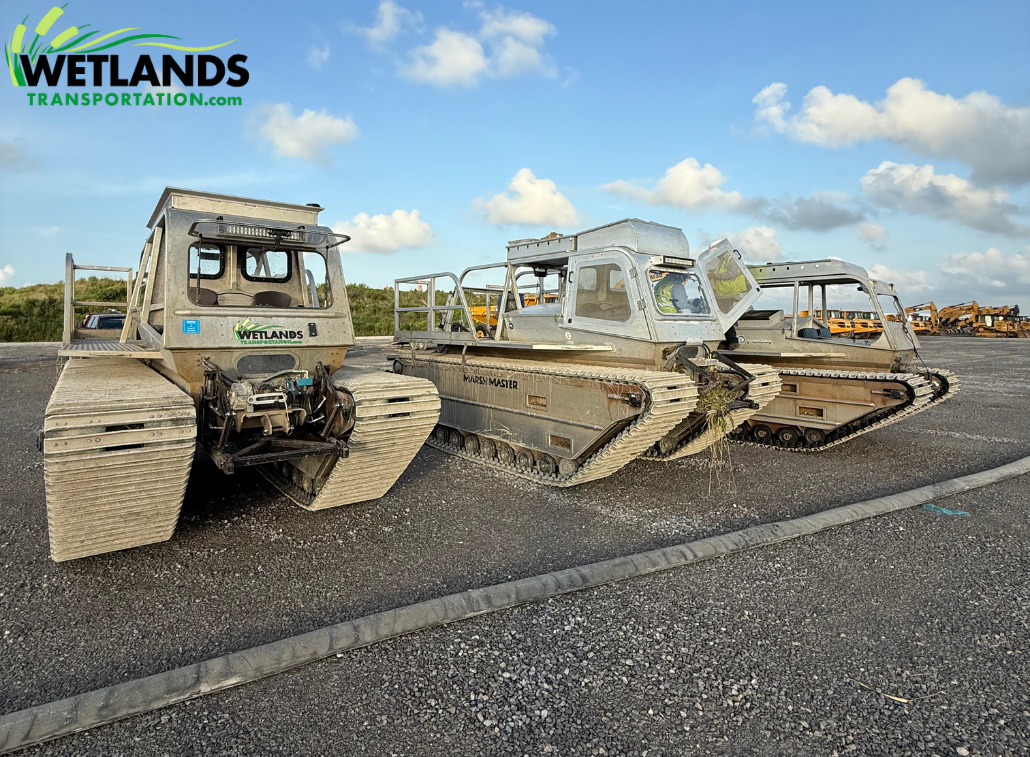
A marsh buggy is an amphibious tracked vehicle designed to operate in wetlands, shallow water, mud, and soft marsh terrain. Its wide tracks distribute weight evenly, allowing it to travel over surfaces that would trap wheeled vehicles.
- Marsh buggies are commonly used for:
- Pipeline and right-of-way access
- Environmental monitoring and remediation
- Utility and infrastructure maintenance
- Transporting equipment and personnel in wetlands
Because of their stability and load capacity, marsh buggies are ideal for projects that require precision, durability, and sustained work over multiple days.
What Is an Airboat?
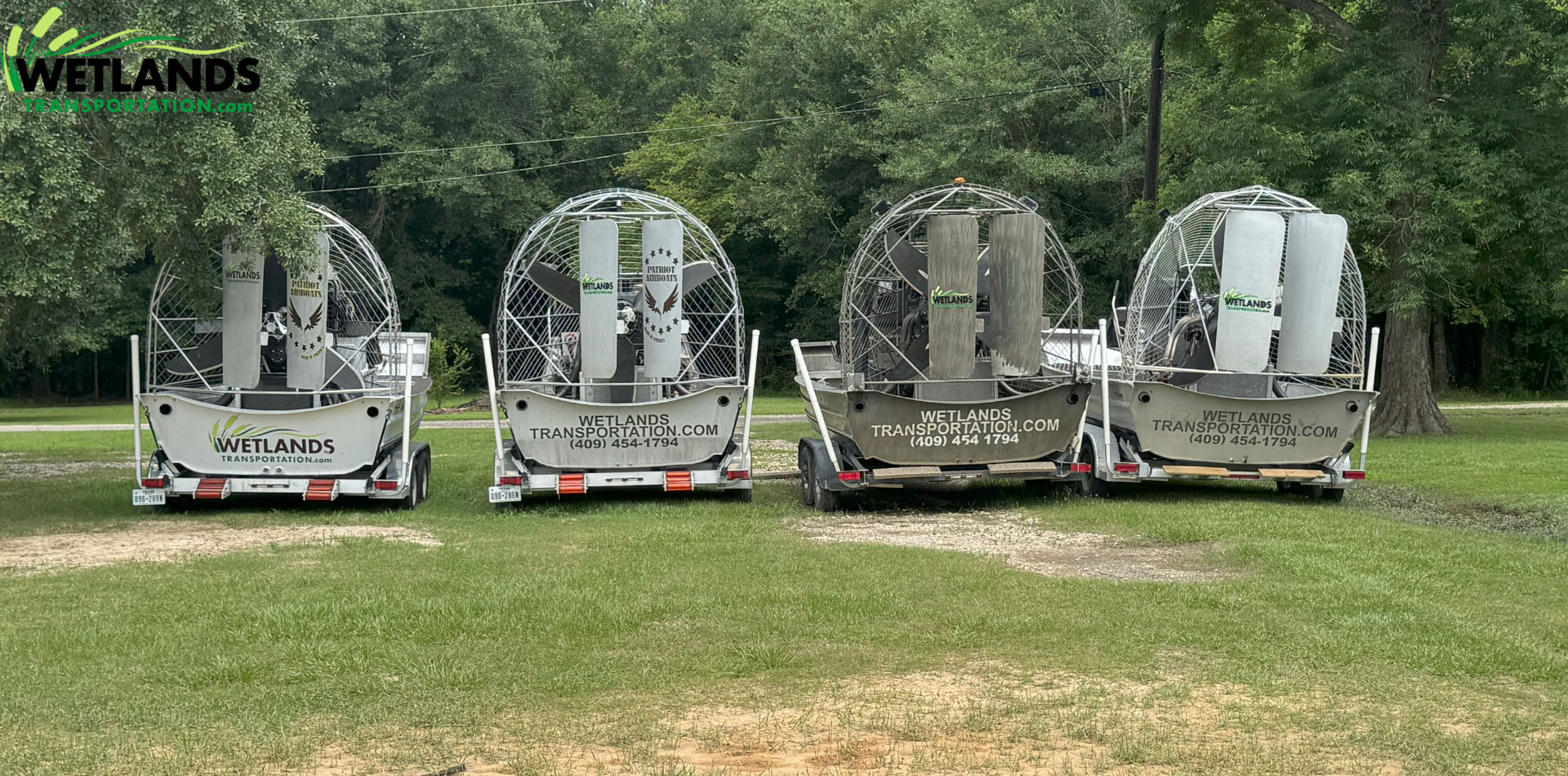
An airboat uses a large rear-mounted propeller to glide across shallow water, mud, and vegetation. It is lightweight, fast, and highly maneuverable, making it useful for rapid access and transportation in flooded or hard-to-reach areas.
Airboats are often used for:
- Quick personnel transport
- Site inspections
- Emergency response and storm recovery
- Shallow water access where speed matters
Airboats excel in mobility but are limited when it comes to hauling heavy loads or operating in extremely soft or uneven terrain.
Marsh Buggies vs. Airboats: Key Differences
The main difference between marsh buggies and airboats comes down to stability, capacity, and terrain suitability.
Marsh buggies provide superior stability and traction. Their tracked design allows them to work effectively in soft marsh, floating vegetation, and mud where consistent ground contact is needed. They can safely carry heavier equipment, materials, and crews, making them better suited for long-term or equipment-intensive projects.
Airboats, on the other hand, are faster and more agile. They are excellent for navigating open water, flooded areas, and shallow marsh where speed and flexibility are priorities. However, they are more sensitive to wind, weather, and load limitations.
Environmental and Compliance Considerations
Environmental impact is a critical factor in coastal and wetland work. Marsh buggies are often preferred for regulated projects because their low ground pressure helps minimize disturbance to sensitive ecosystems. This makes them a common choice for environmental remediation and monitoring work.
Airboats can be effective in certain conditions, but their propeller wash and limited load control may not be suitable for all regulated environments.
Which Option Is Best for Your Project?
There is no universal answer. The right equipment depends on:
- Terrain conditions
- Water depth and vegetation
- Equipment and load requirements
- Duration of the project
- Environmental regulations
In many cases, experienced operators use both marsh buggies and airboats, selecting the best tool based on the specific demands of each phase of a project.
Choosing the Right Access Solution in Southeast Texas
Coastal and wetland projects in Southeast Texas require a deep understanding of local terrain, weather patterns, and environmental conditions. Choosing between marsh buggies and airboats isn’t about preference—it’s about practicality.
Working with a transportation provider that understands when and how to deploy each option ensures safer operations, reduced downtime, and more efficient project execution.