How to Plan Access for a Wetlands Job Site (Step-by-Step)
Planning access to a wetlands job site isn’t something you figure out last minute or on the fly.
Between unstable ground, standing water, environmental regulations, and remote locations, poor planning can delay a project before it even starts.
Whether you’re working in Southeast Texas or Southwest Louisiana, having a clear access plan is critical to keeping your project on schedule and within budget.
Here’s how to do it right.
1. Evaluate Site Conditions First
Before choosing equipment or scheduling crews, you need a clear understanding of the terrain.
Key factors to assess include:
- Water depth and flow
- Vegetation density
- Existing access routes (if any)
- Weather and seasonal conditions
Wetlands can change quickly depending on rainfall and tide levels. What looks accessible one week can become impassable the next.
This initial evaluation determines everything that follows.
2. Choose the Right Equipment for the Terrain
Not all wetlands are the same — and neither is the equipment needed to access them.
Two of the most common solutions include:
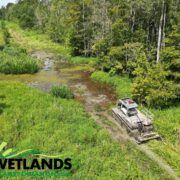
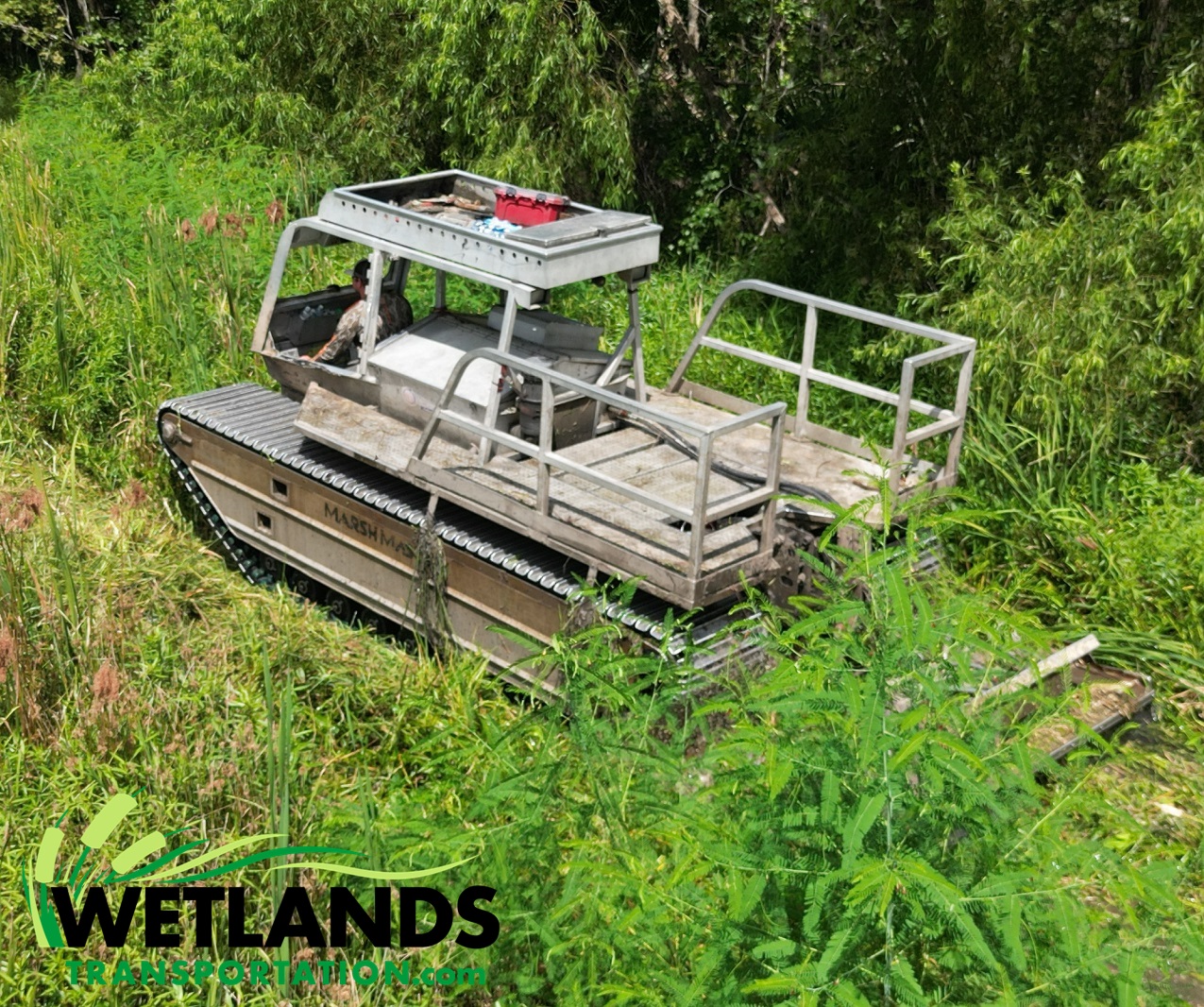
Marsh buggies (ideal for soft ground and heavy equipment transport)
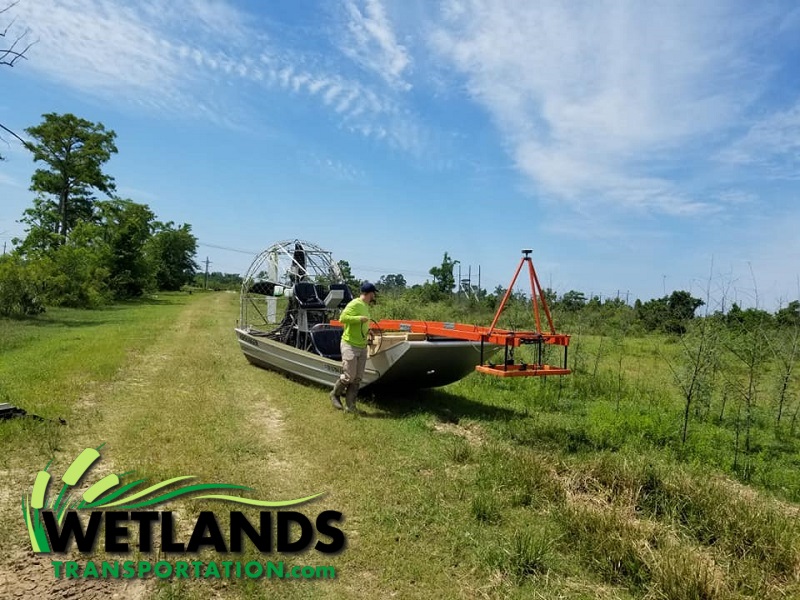
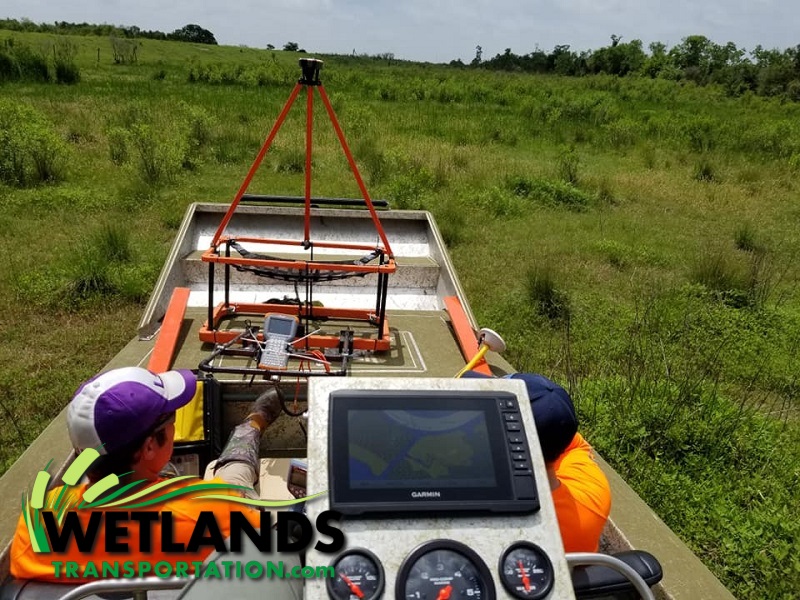
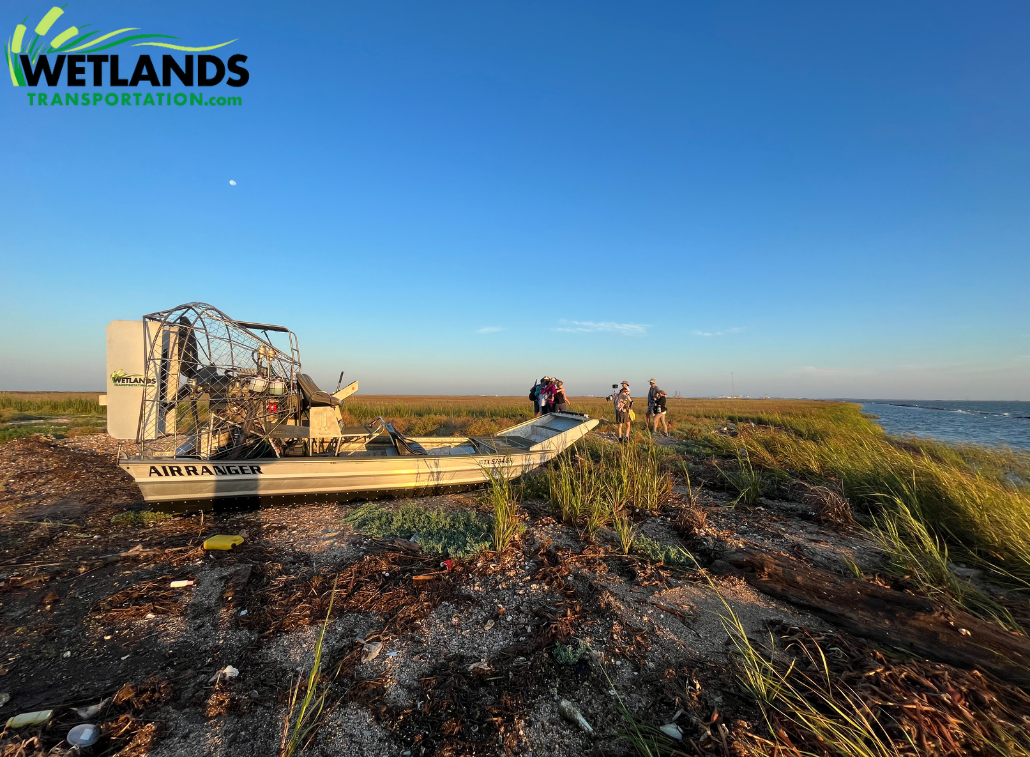
Airboats (best for shallow water and fast personnel movement)
Using the wrong equipment is one of the most common causes of delays. Standard trucks and wheeled equipment often sink or create severe ground disturbance.
If you’re unsure which option fits your project, working with an experienced provider of wetlands transportation services can help you make the right call early.
3. Plan Equipment Staging and Access Routes
Getting equipment to the job site is only part of the equation — how it moves within the site matters just as much.
You’ll want to map out:
- Entry and exit points
- Equipment staging areas
- Travel paths that minimize environmental impact
- Safe zones for loading and unloading
Careful route planning reduces the risk of equipment getting stuck and helps maintain compliance with environmental standards.
4. Account for Permitting and Environmental Regulations
Wetlands are often protected environments, and access may require coordination with regulatory agencies.
Projects may need to consider guidelines from the U.S. Army Corps of Engineers or state-level environmental authorities.
Failure to plan for this early can result in delays, fines, or project shutdowns.
Working with a team experienced in wetlands operations helps ensure your access plan aligns with regulatory expectations.
5. Build a Realistic Timeline
Wetlands projects don’t always follow standard timelines.
Factors that can impact scheduling include:
- Weather conditions
- Water levels
- Equipment availability
- Site accessibility changes
Building flexibility into your timeline helps avoid costly downtime and keeps crews productive.
6. Identify Common Access Risks Early
Some of the most common issues in wetlands projects include:
1. Equipment getting stuck due to poor ground pressure planning
2. Delays caused by improper equipment selection
3. Limited access due to rising water levels
4. Environmental compliance issues
Most of these problems are preventable with proper planning and the right equipment.
7. Work With an Experienced Wetlands Transportation Provider
At the end of the day, access planning comes down to experience.
A provider that understands local terrain, seasonal conditions, and equipment capabilities can help you:
- Select the right transportation method
- Plan efficient access routes
- Avoid costly delays
- Stay compliant with environmental standards
If your project is located in Southeast Texas or Southwest Louisiana, working with a team that specializes in wetlands transportation ensures your operation runs smoothly from start to finish.
👉 Contact Us Today
👉 Learn more About Us
Final Thoughts
Wetlands job sites present unique challenges, but with the right planning, those challenges can be managed effectively.
Taking the time to evaluate conditions, choose the right equipment, and plan access routes properly will save time, reduce risk, and keep your project moving forward.
When access is done right, everything else becomes easier.
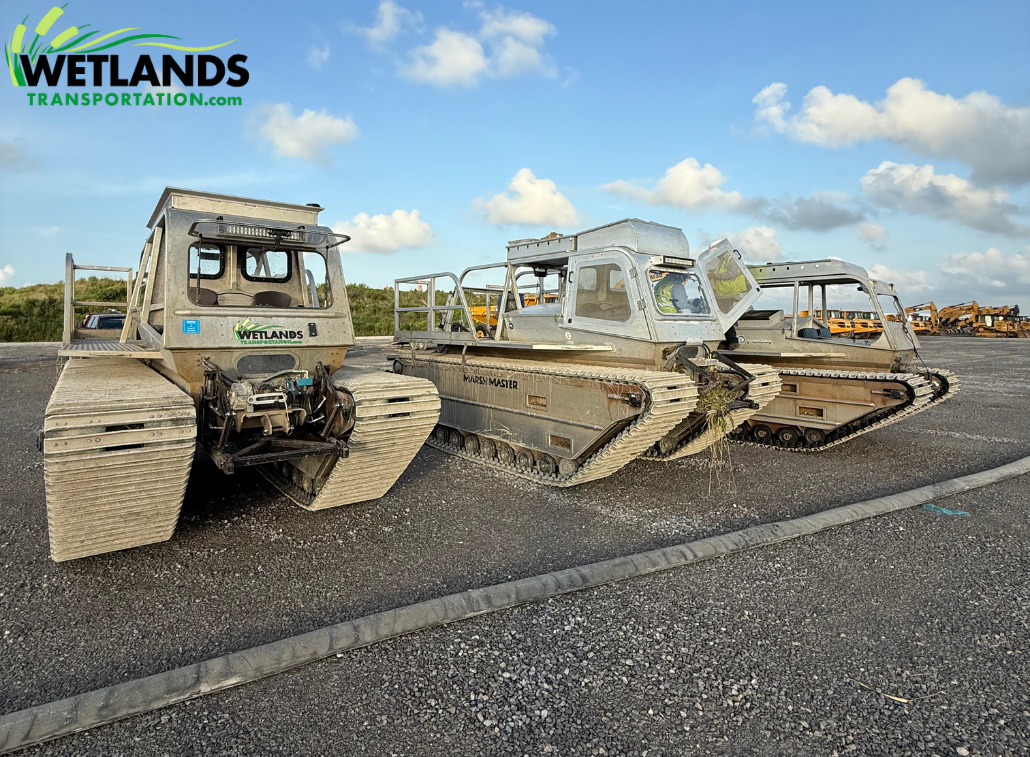 What Is a Marsh Buggy?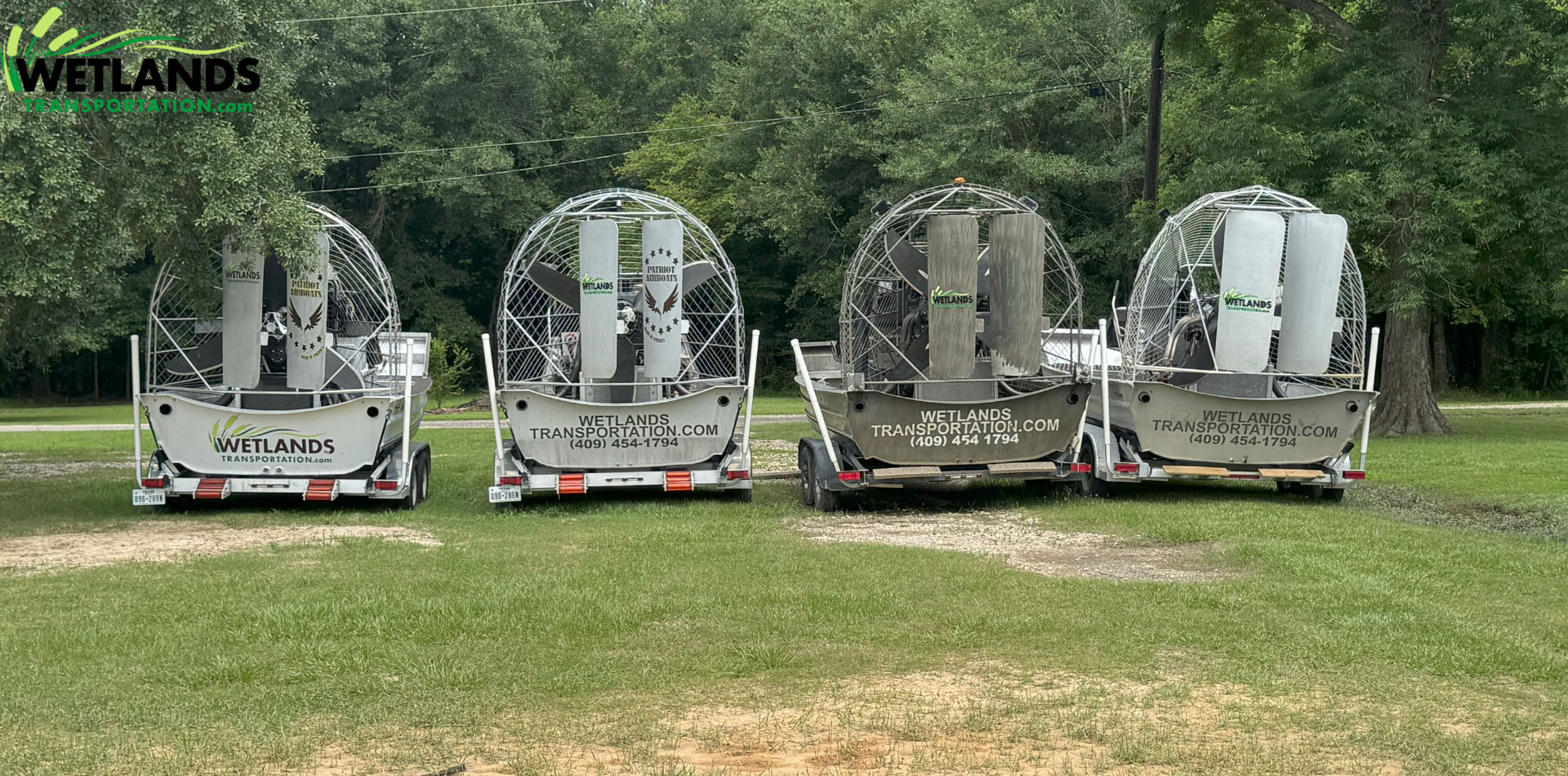
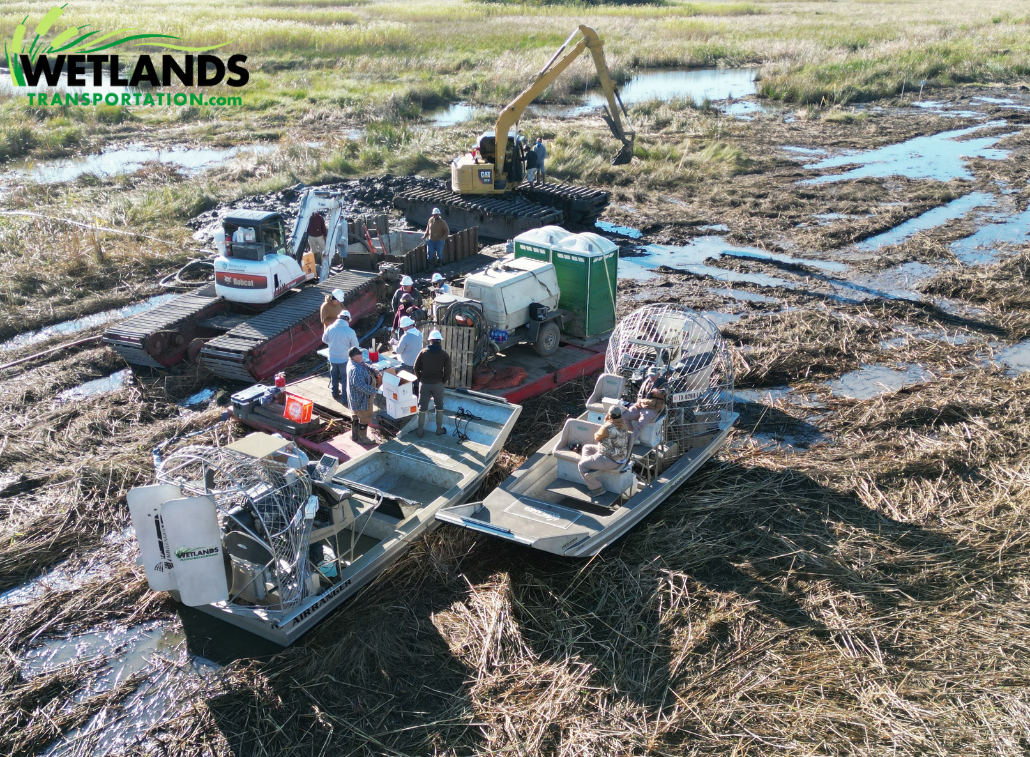 Air Ranger Boats vs. Amphibious Marsh Buggies