
When NOT to Use an Airboat: Projects That Require a Marsh Buggy Instead
Airboats or Marsh Buggy?
Airboats get most of the attention in wetland work and for a good reason. They’re fast, agile, and can skim across shallow water that would stop most vehicles cold in their tracks. But here’s the part that rarely gets said out loud:
Airboats aren’t the right tool for every job.
In many coastal and wetland projects, choosing the wrong equipment doesn’t just slow things down—it can damage the environment, create safety risks, and drive costs up faster than you can blink. You’ll be happy to know, that’s where marsh buggies step in.
Understanding when not to use an airboat is just as important as knowing when to use one.
The Strengths—and Limits—of Airboats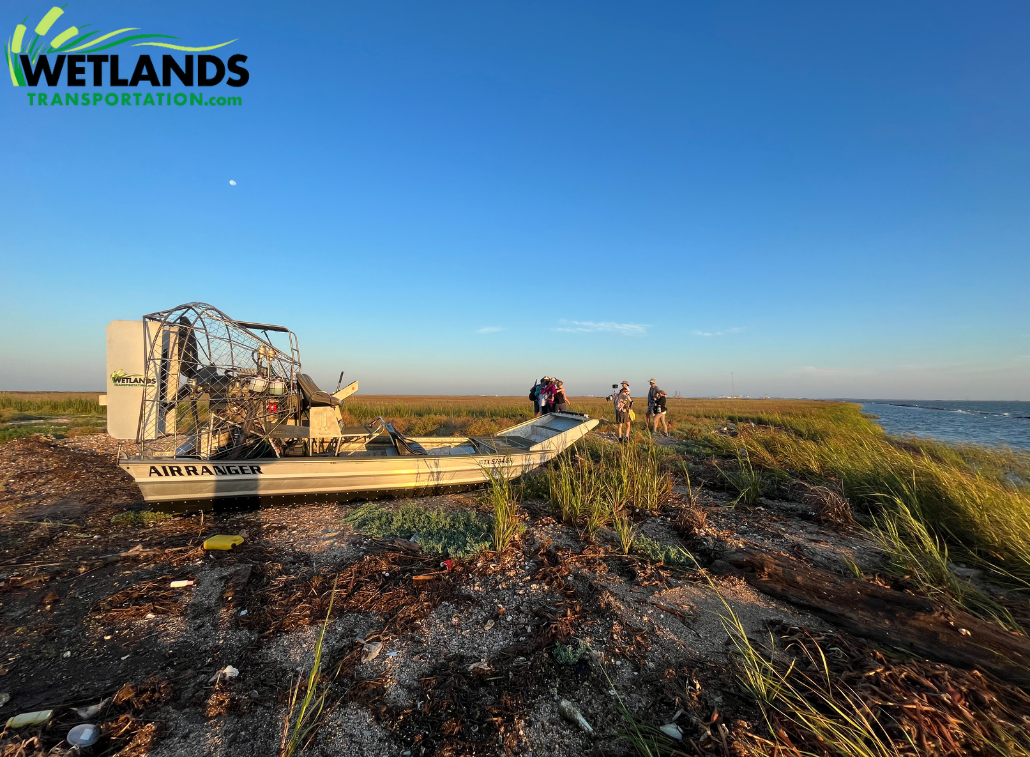
Airboats shine when speed and access are the priority. They’re excellent for:
- Rapid personnel transport
- Shallow, open water access
- Surveying large wetland areas quickly
But one thing you should know; airboats rely on propulsion and momentum. Once a project requires stability, weight capacity, or precision work, their advantages start turning into liabilities.
Prop wash can disturb sediment. Limited deck space restricts tools and materials. And stopping precisely where you need to work is easier said than done when operating an airboat.
That’s not a flaw—it’s just physics, but lucky for us we have multiple tools in our toolbox. See more at Wetlands Transportation Services.
When a Marsh Buggy Is the Better Choice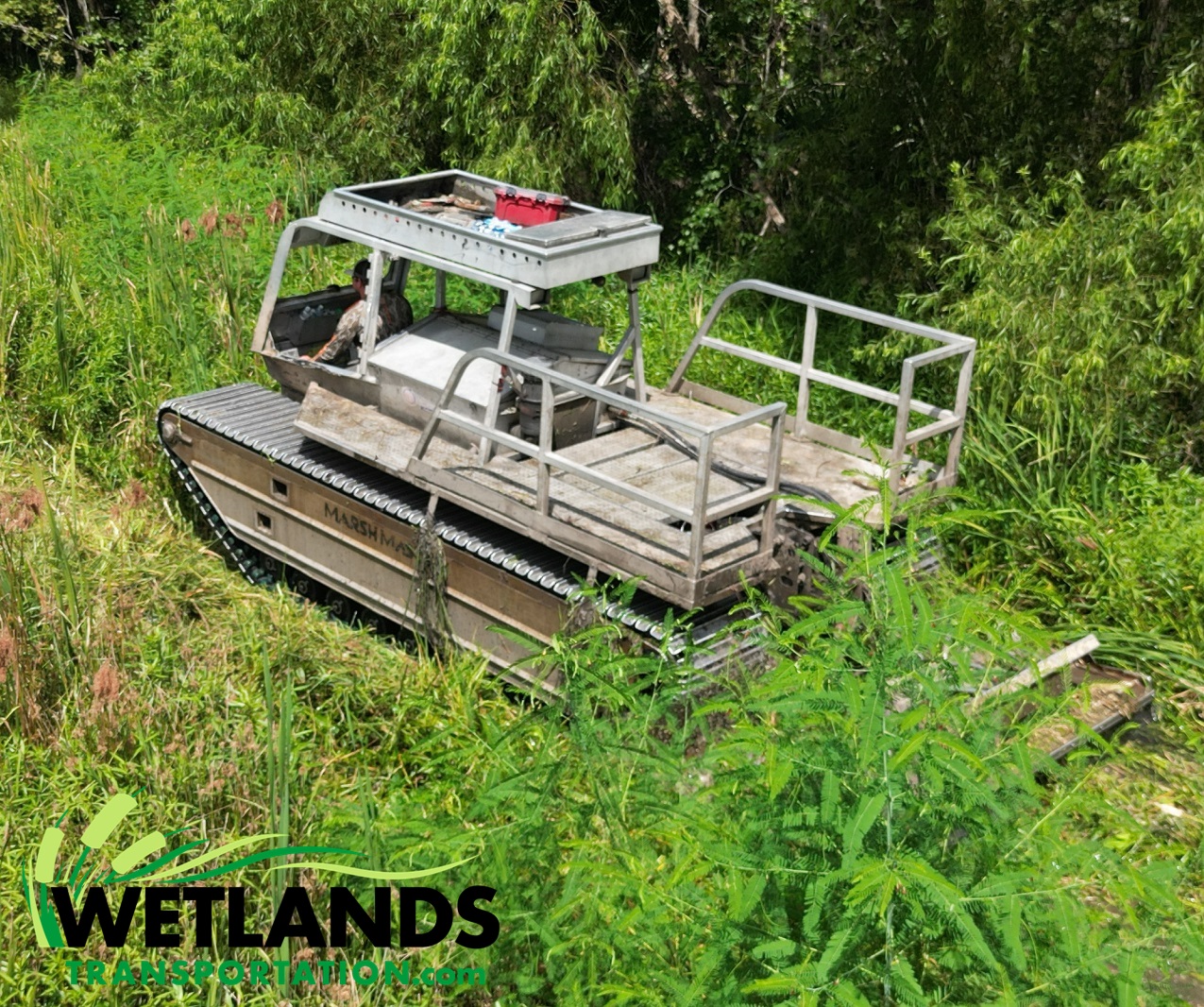
Marsh buggies are built for work, not just access. Below are common project scenarios where they outperform airboats every time.
1. Stationary or Precision Work
If a job requires stopping, staging, and staying put, airboats struggle. Marsh buggies excel in:
- Pipeline welding and repairs
- Structural installation
- Equipment staging in soft marsh
Tracked amphibious systems distribute weight evenly, allowing crews to work without constantly fighting movement or instability.
2. Soft or Unstable Marsh Terrain
Airboats move over the surface. Marsh buggies move with it.
In areas with:
- Saturated soils
- Vegetated marsh grass
- Fragile coastal ecosystems
Marsh buggies reduce ground pressure and minimize environmental disturbance. That’s not just good stewardship—it’s often required for compliance.
3. Heavy Loads and Equipment Transport
Airboats are not designed to haul significant weight safely. Marsh buggies can transport:
- Construction materials
- Tools and welding equipment
- Multiple crew members
This reduces the number of trips, improves efficiency, and lowers overall project risk.
4. Projects Where Control Matters More Than Speed
Speed is impressive. Control gets work done.
For dredging support, restoration projects, and long-duration site work, marsh buggies offer precise positioning and predictable movement—critical factors when timelines and safety are on the line.
How Contractors Choose the Right Equipment
Experienced operators don’t ask, “Which machine is faster?”
They ask, “Which machine finishes the job correctly?”
The right choice depends on:
- Terrain conditions
- Environmental sensitivity
- Load requirements
- Project duration
In many cases, the smartest solution isn’t airboat or marsh buggy—it’s knowing when to deploy each.
Marsh Buggies and Airboats Working Together
Some of the most efficient wetland operations use both. Airboats handle rapid access and scouting. Marsh buggies take over when the real work begins.
That combination keeps projects moving while protecting both crews and the environment.
Trusted Wetland Access Solutions in Southeast Texas
At Wetlands Transportation, equipment decisions are made in the field, not on paper. With experience across coastal construction, pipeline support, and marsh access projects throughout Southeast Texas, the focus is always the same: use the right tool for the job.
Whether a project calls for airboats, marsh buggies, or both, understanding the terrain comes first—and the equipment follows.
Choosing correctly isn’t flashy. It’s effective.
And in wetlands work, effectiveness is what keeps projects on schedule and ecosystems intact.